
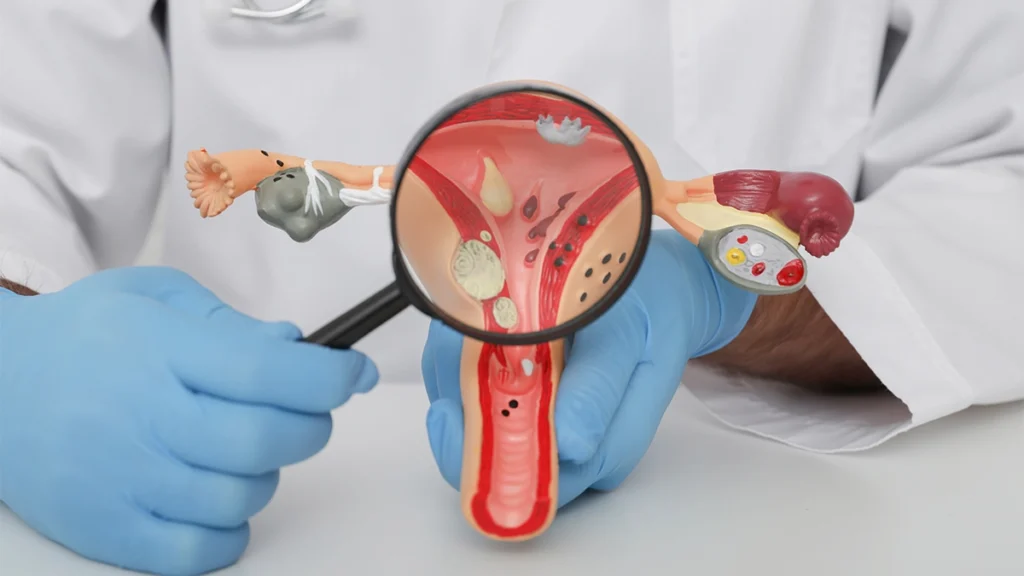
Recurring urinary tract infections can be frustrating, painful and disruptive. For some people, they appear every few months. For others, it seems they return almost as soon as treatment finishes. Either way, repeated UTIs can affect sleep, work, confidence, relationships and overall quality of life.
A urinary tract infection, often called a UTI, usually happens when bacteria enter the urinary tract and multiply. The infection most commonly affects the bladder, causing symptoms such as burning when passing urine, needing to pass urine more often, lower abdominal discomfort, cloudy urine or strong-smelling urine.
Many UTIs are straightforward and settle with the right treatment. However, when infections keep returning, it is important to look beyond short-term symptom relief. The focus should shift towards prevention, identifying triggers and checking for any underlying cause.
This guide explains effective ways to prevent recurring urinary tract infections in clear, practical language while also highlighting when specialist urology advice may be needed.
- What Is a Recurring Urinary Tract Infection?
- Why Do UTIs Keep Coming Back?
- 1. Drink Enough Fluid Throughout the Day
- 2. Do Not Hold Urine for Long Periods
- 3. Empty the Bladder After Sex
- 4. Avoid Spermicides if They Trigger Symptoms
- 5. Practise Gentle Hygiene
- 6. Treat Constipation
- 7. Consider Menopause-Related Changes
- 8. Use Cranberry or D-Mannose With Realistic Expectations
- 9. Do Not Overuse Antibiotics
- 10. Ask About Non-Antibiotic Prevention
- 11. Consider Antibiotic Prevention When Appropriate
- 12. Know When Symptoms May Suggest Something More Serious
- 13. Keep a Record of Infections and Triggers
- 14. Get Checked if UTIs Keep Returning
- 15. Take a Personalised Approach
- Final Thoughts
What Is a Recurring Urinary Tract Infection?
A recurring UTI usually means having two UTIs within six months or three UTIs within twelve months. This pattern suggests that the problem is not just a one-off infection.
Recurring UTIs are more common in women because the female urethra is shorter, which makes it easier for bacteria to reach the bladder. However, men can also develop recurring UTIs, and when they do, doctors often need to look more carefully for possible causes such as prostate enlargement, poor bladder emptying, urinary stones or other urinary tract problems.
Some people experience reinfection, where a new infection develops after the previous one has cleared. Others may have a relapse when the original infection was not fully treated or when bacteria remain in the urinary tract. This distinction matters because it can change the investigation and treatment plan.
Further Reading: https://www.nhs.uk/conditions/urinary-tract-infections-utis/
Why Do UTIs Keep Coming Back?
Recurring UTIs can happen for several reasons. In many cases, bacteria from the bowel enter the urinary tract. This does not mean someone has poor hygiene. It often relates to normal anatomy, sexual activity, hormonal changes, bladder function or other medical factors.
Common reasons include:
- Not drinking enough fluid
- Holding urine for long periods
- Not emptying the bladder fully
- Sexual activity
- Use of spermicides or diaphragms
- Menopause-related changes
- Constipation
- Diabetes or a weakened immune system
- Kidney stones or bladder stones
- Urinary catheters
- Enlarged prostate in men
- Structural or functional problems in the urinary tract
Because there are several possible causes, prevention works best when it is tailored to the individual. A simple lifestyle change may help one person, while another may need specialist tests or prescription prevention.
Further Reading: Understanding Urinary Tract Infections (UTIs) in Women
1. Drink Enough Fluid Throughout the Day
Good hydration is one of the simplest ways to support urinary tract health. Drinking enough fluid helps dilute the urine and encourages regular urination. This can help flush bacteria from the bladder before they have time to multiply.
Water is usually the best choice. Most people should aim to drink regularly throughout the day, rather than drinking a large amount all at once. The exact amount varies depending on body size, activity level, weather, medical conditions and medication.
A useful practical guide is to look at urine colour. Pale yellow urine usually suggests good hydration. Dark, strong-smelling urine may suggest that you need more fluid.
However, some people need to limit fluid intake because of heart, kidney or other medical conditions. If a doctor has advised you to restrict fluids, follow that advice.
2. Do Not Hold Urine for Long Periods
Holding urine for too long can allow bacteria to sit in the bladder for longer. Over time, this may increase the risk of infection.
Try to pass urine when you feel the need, rather than delaying repeatedly. Also, take your time when you go. Rushing can sometimes mean the bladder does not empty fully. If urine remains in the bladder, bacteria may have a better chance to grow.
People who feel they do not empty fully, need to strain, have a weak stream or need to pass urine again soon after going should seek medical advice. These symptoms may point to bladder emptying problems, especially in men with prostate enlargement or in people with neurological conditions.
3. Empty the Bladder After Sex
Sexual activity can move bacteria towards the urethra, particularly in women. Passing urine soon after sex may help flush bacteria away before they enter the bladder.
This does not need to become a stressful routine, but it is a sensible habit for people who notice UTIs after intercourse.
Washing the genital area with water before and after sex may also help some people. Avoid harsh soaps, perfumed washes, as these can irritate sensitive skin and disturb the normal balance of bacteria.
If UTIs regularly happen after sex, speak to a GP or urologist. Some patients may benefit from targeted prevention, such as a single-dose antibiotic after intercourse, but this should only be used under medical guidance.
Struggling with recurring UTI’s after sex?
Contact us for a consultation
4. Avoid Spermicides if They Trigger Symptoms
Spermicidal contraceptives can increase the risk of UTIs in some people. This includes condoms, diaphragms or caps used with spermicidal lubricant.
Spermicides may irritate the genital area and affect the normal protective bacteria around the vagina and urethra. As a result, harmful bacteria may find it easier to cause infection.
If UTIs started or became more frequent after changing contraception, discuss this with a healthcare professional. Switching to a non-spermicidal option may reduce the risk.
5. Practise Gentle Hygiene
Good hygiene can help, but aggressive washing can make things worse. The genital area does not need strong cleansers. In fact, perfumed soaps, intimate sprays, bubble baths and harsh products can irritate the skin and may increase discomfort.
Simple, gentle habits are usually best:
- Wipe from front to back after using the toilet
- Keep the genital area clean and dry
- Use water or mild, unperfumed products externally
- Avoid douching
- Change incontinence pads or underwear promptly if damp or soiled
- Wear breathable cotton underwear where possible
These steps reduce irritation and help limit the movement of bowel bacteria towards the urinary tract.
6. Treat Constipation
Constipation can contribute to urinary symptoms and recurrent UTIs. A full bowel can press against the bladder and make it harder to empty properly. It may also increase bacterial contamination around the genital area.
Improving bowel habits can therefore support bladder health. Helpful measures include drinking enough fluid, eating fibre-rich foods, staying active and responding promptly when you need to open your bowels.
If constipation is persistent, severe or linked with bloating, pain or bleeding, seek medical advice.
7. Consider Menopause-Related Changes
After the menopause, lower oestrogen levels can affect the tissues around the vagina, urethra and bladder. These tissues may become thinner, drier and more easily irritated. The balance of protective bacteria can also change.
As a result, some women experience more frequent UTIs after the menopause.
Vaginal oestrogen may help reduce recurrent UTIs in suitable patients. It comes in different forms, including cream, gel, pessary, tablet or ring. It acts locally in the vaginal and urinary area and is different from full-body hormone replacement therapy.
This treatment is not suitable for everyone, so it should be discussed with a GP, gynaecologist or urologist. However, for many post-menopausal women, it can be an important part of a long-term prevention plan.
8. Use Cranberry or D-Mannose With Realistic Expectations

Some people use cranberry products or D-mannose to help prevent UTIs. These products may help some patients, although they do not treat an active infection once it has started.
Cranberry is available as juice, tablets or capsules. D-mannose is a type of sugar available as tablets or powder. The idea is that these products may make it harder for certain bacteria to stick to the bladder wall.
However, they are not a guaranteed solution. They can also contain sugar, which may be important for people with diabetes or those watching their sugar intake. Cranberry products may not be suitable for people taking warfarin.
Before using supplements regularly, especially during pregnancy or while taking other medication, speak to a healthcare professional.
9. Do Not Overuse Antibiotics
Antibiotics can treat bacterial UTIs effectively, but they need to be used carefully. Repeated or unnecessary antibiotic use can increase the risk of resistant bacteria, side effects and future infections that become harder to treat.
This does not mean antibiotics should be avoided when they are needed. Instead, the aim is to use the right antibiotic, at the right dose, for the right length of time.
If infections keep returning, a urine sample should often be sent for culture. This test helps identify the bacteria causing the infection and shows which antibiotics are likely to work. This is especially important if symptoms return quickly after treatment or if previous antibiotics have not helped.
Never keep using leftover antibiotics or take someone else’s prescription. This can mask symptoms, fail to clear the infection and increase resistance.
10. Ask About Non-Antibiotic Prevention
For some patients, doctors may consider non-antibiotic prevention options. One example is methenamine hippurate, which may help prevent recurrent UTIs in selected people by making the urine less favourable for bacterial growth.
This type of treatment is not suitable for everyone, and it needs proper medical review. It may be considered when lifestyle changes are not enough or where reducing antibiotic use is a priority.
A healthcare professional will consider your medical history, kidney function, other medicines and the pattern of infections before recommending this option.
11. Consider Antibiotic Prevention When Appropriate
In some cases, antibiotic prevention may be appropriate. This may involve a low-dose antibiotic taken for a set period, or a single dose after a clear trigger such as sexual intercourse.
Doctors do not usually recommend this as the first step for everyone. They will normally consider other measures first, such as hydration, bladder habits, vaginal oestrogen where appropriate, and non-antibiotic options.
When doctors do use antibiotic prevention, they should review it regularly. The aim is to reduce infections while avoiding unnecessary long-term antibiotic exposure.
12. Know When Symptoms May Suggest Something More Serious
Most UTIs affect the bladder and cause symptoms such as burning, frequency and urgency. However, some symptoms may suggest a kidney infection or a more serious problem.
Seek urgent medical advice if you have:
- Fever, chills or shivering
- Pain in the back or side, below the ribs
- Feeling very unwell
- Confusion or drowsiness
- Blood in the urine
- Symptoms that worsen quickly
- Symptoms that do not improve after treatment
- Recurrent UTIs during pregnancy
- Diabetes or a weakened immune system
- A catheter
- Recurrent UTIs in a man
Men with recurrent UTIs should usually be assessed carefully, as infections may relate to prostate problems, poor bladder emptying, stones or other urinary tract conditions.
Further Reading: Common Prostate Problems: Symptoms, Causes and Management
13. Keep a Record of Infections and Triggers
A symptom diary can be very useful. It helps you and your clinician see patterns that may not be obvious at first.
Record:
- Dates of symptoms
- Symptoms experienced
- Urine test results, if available
- Antibiotics used
- Whether the infection followed sex
- Fluid intake
- Constipation
- Menstrual cycle or menopause-related symptoms
- Any blood in the urine
- Any fever or back pain
This information helps guide prevention. It can also reduce guesswork and support more targeted treatment.
14. Get Checked if UTIs Keep Returning
If UTIs keep coming back, it is sensible to seek medical review. Some people need no specialist tests, especially if infections follow a clear pattern and respond well to treatment. However, others may need further assessment.
A urologist may consider investigations such as urine culture, bladder ultrasound, flow tests, checks for retained urine after voiding, cystoscopy or imaging of the kidneys and urinary tract. The exact tests depend on symptoms, age, sex, medical history and risk factors.
The aim is not to over-investigate every patient. Instead, the aim is to identify the people who may have an underlying problem that needs treatment.
15. Take a Personalised Approach
There is no single prevention plan that works for everyone. One person may reduce infections by drinking more water and passing urine after sex. Another may need vaginal oestrogen. Someone else may need treatment for bladder emptying problems, kidney stones or prostate enlargement.
The most effective approach usually combines sensible daily habits with proper medical assessment when needed.
A personalised prevention plan may include:
- Hydration advice
- Bladder-emptying strategies
- Hygiene and sexual health advice
- Constipation management
- Review of contraception
- Vaginal oestrogen after menopause
- Cranberry or D-mannose where suitable
- Methenamine hippurate where appropriate
- Targeted antibiotic prevention in selected cases
- Specialist urology investigations if red flags are present
Final Thoughts
Recurring urinary tract infections can feel like a cycle that is difficult to break. However, many people can reduce their risk with the right prevention plan.
Start with simple habits: drink enough fluid, avoid holding urine, empty the bladder properly, pass urine after sex, avoid irritating products and manage constipation. Then, if infections continue, seek medical advice rather than repeatedly treating each episode in isolation.
Recurring UTIs deserve proper attention, particularly in men, post-menopausal women, people with blood in the urine, those with fever or back pain, and anyone whose symptoms return quickly after treatment.
With the right assessment and a tailored prevention plan, it is often possible to reduce infections, protect bladder health and improve quality of life.
If you experience recurring UTIs or symptoms that do not settle, a specialist urology review can help identify the cause and guide the most appropriate treatment.
*This content is for general information only and should not be used as a substitute for personalised medical advice. Please speak to a qualified healthcare professional.
Ready To Book an Appointment?
Share your details with us and we’ll be in touch to arrange your consultation.