

A vasectomy is widely considered a permanent method of contraception. However, life circumstances can change. Relationships evolve, families grow, and personal priorities shift. For some men, this leads to a question they never expected to ask: Can a vasectomy be reversed?
The answer is yes. A Vasectomy Reversal is a specialised microsurgical procedure that reconnects the tubes responsible for carrying sperm, potentially restoring fertility. While not every man who has had a vasectomy will need or want a reversal, there are several situations where it may become a realistic option.
Understanding the signs you may need a vasectomy reversal, how the procedure works, and what results to expect can help you make an informed decision.
This guide explains the key reasons men consider vasectomy reversal, what symptoms or situations might indicate the need for it, and what the process involves.
- What Is a Vasectomy Reversal?
- How Successful Is Vasectomy Reversal?
- What Happens During the Procedure?
- Recovery After Vasectomy Reversal
- When Does Fertility Return?
- Alternatives to Vasectomy Reversal
- Factors That Influence Success
- Risks and Potential Complications
- When Should You Speak to a Specialist?
- Emotional and Practical Considerations
- What If the Vasectomy Reversal Doesn’t Work?
- Why Do Men Consider a Vasectomy Reversal?
- Final Thoughts
What Is a Vasectomy Reversal?
A Vasectomy Reversal is a surgical procedure that reconnects the vas deferens, the tubes that carry sperm from the testicles to the semen.
During a vasectomy, these tubes are cut or sealed to prevent sperm from entering the semen. A reversal aims to restore this pathway so sperm can once again mix with the ejaculate.
There are two main types of vasectomy reversal procedures:
Vasovasostomy
This is the most common reversal technique. The surgeon reconnects the two cut ends of the vas deferens.
If sperm are present in the fluid from the testicular side of the tube, this procedure is usually possible.
Vasoepididymostomy
In some cases, a blockage develops in the epididymis after vasectomy. When this occurs, the surgeon must connect the vas deferens directly to the epididymis.
This is a more complex microsurgical procedure, typically performed when a standard reconnection is not possible.
Both procedures require advanced surgical skill and the use of a microscope to reconnect extremely small structures.
Further Reading: Male Sterilisation (Vasectomy): Procedure, Recovery & FAQs
How Successful Is Vasectomy Reversal?
Success rates vary depending on several factors, but overall outcomes are generally encouraging.
Two measures are usually used to assess success:
Patency Rate
This refers to the return of sperm to the semen.
Patency rates after vasectomy reversal typically range from 70% to over 90%, depending on surgical technique and timing.
Pregnancy Rate
The ultimate goal for many couples is pregnancy.
Pregnancy rates after reversal are usually 30% to 60%, although this can vary depending on factors such as:
- The age of the female partner
- Time since vasectomy
- Surgical technique used
- Overall reproductive health
It is important to remember that fertility involves both partners.
What Happens During the Procedure?
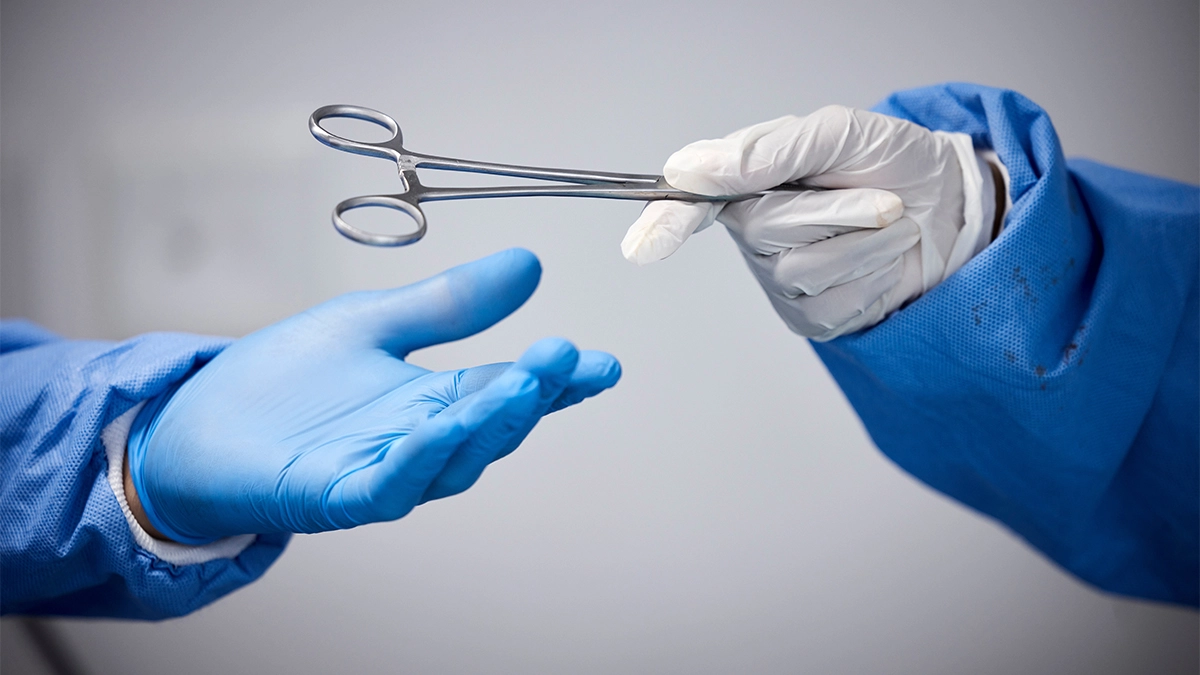
A vasectomy reversal is a surgical procedure that is usually carried out under general anaesthesia. The duration of the operation typically ranges from one to four hours, depending on how complex the repair required may be.
Steps Involved in the Procedure
The general steps involved in a vasectomy reversal are as follows:
- A single, small incision is made in the scrotum to access the vas deferens.
- The vas deferens is then located and carefully examined.
- Fluid from the testicular side of the tube is checked for the presence of sperm.
- The surgeon decides which type of reconstruction will be required based on the findings.
- The tubes are then reconnected using advanced microsurgical techniques.
Microsurgical Techniques and Equipment
During the procedure, extremely fine stitches are used, which are often thinner than a human hair. Due to the delicate nature of the repair and the precision required, the operation is typically performed using a high-powered operating microscope.
Further Reading: https://fertilitynetworkuk.org/learn-about-fertility/treatment/vasectomy-reversal/
Recovery After Vasectomy Reversal
Recovery from a vasectomy reversal is usually straightforward.
Most patients can go home the same day.
Typical recovery guidance includes:
- Rest for several days
- Avoid heavy lifting for two weeks
- Wear supportive underwear
- Avoid sexual activity for two to three weeks
Some swelling and mild discomfort are normal in the early recovery period.
Pain is usually manageable with simple pain relief.
Your doctor will schedule follow-up appointments to monitor recovery.
Private Vasectomy Reversal in Nottingham
Personal, consultant-led care at Woodthorpe Hospital.
When Does Fertility Return?
Sperm usually begin to reappear in the semen within several weeks to a few months after surgery.
However, this can vary depending on the type of reconstruction performed.
If a vasovasostomy was performed, sperm may appear relatively quickly.
If a vasoepididymostomy was required, it may take longer for sperm to return.
Semen analysis is typically performed every few months to monitor progress.
Alternatives to Vasectomy Reversal
In some situations, couples may consider alternative fertility treatments.
These include:
Sperm Retrieval and IVF
Sperm can be surgically retrieved directly from the testicle and used in IVF treatment.
This may be considered if:
- Vasectomy reversal is not possible
- Female fertility factors require IVF
- A couple prefers assisted reproduction
However, IVF often requires multiple cycles and can be costly.
Sperm Banking
Some men choose to store sperm prior to vasectomy.
If sperm has been banked, it can be used for assisted reproductive treatments.
However, most men who had a vasectomy did not store sperm beforehand.
Factors That Influence Success
Several factors can influence the outcome of a Vasectomy Reversal.
Time Since Vasectomy
The longer the interval since vasectomy, the higher the chance of blockage within the epididymis.
However, successful reversals are still possible even after many years.
Surgical Expertise
Microsurgical skill is one of the most important factors affecting success.
Specialists who regularly perform vasectomy reversals generally achieve better outcomes.
Female Partner’s Fertility
Female age and reproductive health significantly influence the likelihood of pregnancy.
In some cases, fertility testing for both partners may be recommended.
Risks and Potential Complications
A Vasectomy Reversal is generally considered a safe procedure when performed by an experienced microsurgeon. However, as with any surgical operation, there are some potential risks and complications to be aware of.
The most common risks include:
Bleeding or haematoma
Occasionally, bleeding can occur inside the scrotum after surgery, leading to a collection of blood known as a haematoma. This can cause swelling and discomfort but is usually manageable with rest, scrotal support, and monitoring.
Infection
Infection at the surgical site is uncommon but possible. Signs may include redness, increasing pain, swelling, or discharge from the incision. Antibiotics are usually effective if an infection develops.
Persistent pain
While many men experience only mild discomfort during recovery, a small number may develop ongoing scrotal pain following the procedure. This is uncommon and usually improves over time.
Scar tissue or blockage
In some cases, scar tissue may form where the tubes are reconnected. This can block the flow of sperm and reduce the success of the reversal.
Failure to restore fertility
Although vasectomy reversal often successfully restores sperm to the semen, pregnancy is not guaranteed. Fertility depends on several factors, including the time since the original vasectomy, the surgical technique required, and the fertility health of both partners.
Your surgeon will discuss these risks during your consultation and explain the steps taken to minimise complications. Choosing a specialist experienced in microsurgical vasectomy reversal can significantly improve outcomes.
When Should You Speak to a Specialist?

If you are considering a Vasectomy Reversal, the first step is a consultation with a specialist urologist.
During the consultation, the doctor will typically review:
- Your medical history
- The date of your vasectomy
- Any previous fertility history
- Current health factors
- Your partner’s fertility health
These factors help determine the likelihood of a successful outcome.
In some cases, additional tests may be recommended before proceeding.
Emotional and Practical Considerations
Deciding to pursue a vasectomy reversal is not purely a medical decision.
Couples often consider:
- Their long-term family plans
- Financial considerations
- Age and fertility timelines
- Emotional readiness for parenthood
Discussing these factors openly with your partner and your doctor can help guide the decision.
What If the Vasectomy Reversal Doesn’t Work?
Although a vasectomy reversal can successfully restore sperm flow in many men, it does not guarantee pregnancy. In some cases, the procedure may not fully restore fertility. This can happen if scar tissue forms at the reconnection site, if there is a blockage elsewhere in the reproductive tract, or if sperm production is reduced over time.
If a reversal does not lead to the return of sperm in the semen, several options may still be available. One possibility is assisted reproductive treatment, such as sperm retrieval combined with in vitro fertilisation (IVF) or intracytoplasmic sperm injection (ICSI). In these procedures, sperm can be collected directly from the testicle or epididymis and used to fertilise an egg in a laboratory.
In some situations, a repeat vasectomy reversal may also be considered. Advances in microsurgical techniques mean that a second attempt can sometimes restore sperm flow if the initial repair has become blocked.
Your urologist will usually monitor recovery with semen analysis tests in the months following surgery. If sperm does not return to the semen or pregnancy does not occur after a reasonable period, your doctor can discuss the most appropriate next steps based on your individual circumstances and fertility goals.
Why Do Men Consider a Vasectomy Reversal?
There are several reasons men seek a Vasectomy Reversal. In most cases, the motivation is related to fertility, but other medical reasons may also apply.
A New Relationship
One of the most common reasons for vasectomy reversal is a new partner who wishes to have children.
A vasectomy may have been appropriate in a previous relationship when the family was complete. However, new circumstances can change future plans.
A Desire for More Children
Some couples simply decide they would like to expand their family.
Even if the vasectomy was performed many years earlier, reversal may still be possible.
Loss of a Child
Although rare and deeply difficult, some couples seek a vasectomy reversal after the loss of a child.
In these situations, restoring fertility may become part of the healing process.
Chronic Testicular Pain
In some cases, men experience post-vasectomy pain syndrome. This is a condition involving persistent discomfort in the testicles after a vasectomy.
While uncommon, vasectomy reversal can sometimes relieve this pain by restoring normal sperm flow.
Final Thoughts
A Vasectomy Reversal can provide men with the opportunity to restore fertility and conceive naturally after a previous vasectomy.
While vasectomy is intended to be permanent, advances in microsurgery mean that reversal is possible for many men.
If your circumstances have changed, whether due to a new relationship, the desire for more children, or ongoing discomfort after vasectomy, speaking with a specialist can help you understand your options.
With appropriate assessment and expert surgical care, vasectomy reversal can offer a meaningful path forward for individuals and couples hoping to build or expand their family.
*This content is for general information only and should not be used as a substitute for personalised medical advice. Please speak to a qualified healthcare professional.
Ready To Book an Appointment?
Share your details with us and we’ll be in touch to arrange your consultation.